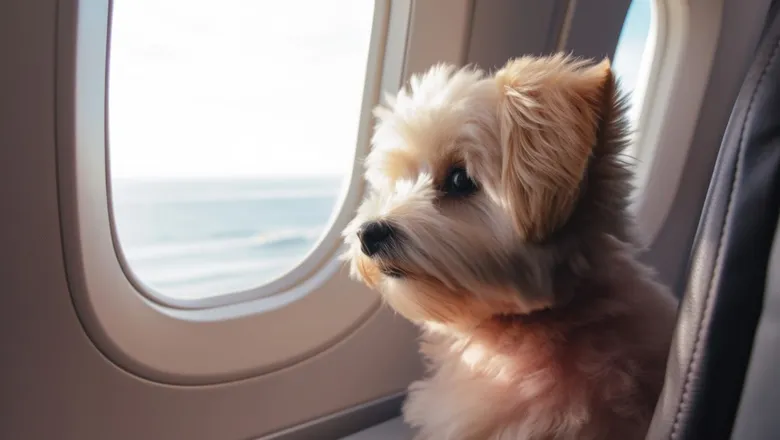
What pet owners need to know before flying
Rules differ from one airline to the next. Many carriers restrict certain breeds, especially brachycephalic (flat-faced) dogs and cats, because of the respiratory risks that come with changes in air pressure. Size and weight limits also vary, and these determine whether your pet flies in the cabin or travels in the hold as cargo. The airline table below lets you compare policies and restrictions before you book.
At minimum, you'll need proof of vaccinations, a pet passport (required for travel within the EU and Schengen Area), and proof of microchipping. Some destinations also require a health certificate from a licensed vet, and certain countries apply a quarantine period on arrival. Check the requirements for your airline and destination well before you leave, and carry your documents in English as well as your own language to avoid problems at the border.
Pack a travel kit for your pet that includes:
- Collapsible food and water bowls, which save space in your bag
- Enough food for the whole trip, plus a small extra supply
- A leash and harness, with a spare packed in your carry-on
- A favorite toy or comfort item to ease anxiety in unfamiliar surroundings
- Any prescribed medication, along with paperwork from your vet
- Vaccination records and other travel documents
- An airline-approved carrier your pet has had time to get used to before the trip
- A small first-aid kit for pets, for minor emergencies
Air travel can be stressful for animals, especially on long routes. Gradual preparation works best: get your pet used to its carrier in the weeks before you travel so it feels familiar rather than confining. On travel day, bring bedding, toys, or clothing that smell like home for comfort. Calming sprays or medication prescribed by your vet can help with serious anxiety, but check with your vet before using any product. Your own calm matters too, since pets pick up on their owner's stress. Treats and gentle distraction also help.
Yes, it's a smart precaution, especially for international trips. Vet care abroad can be expensive, and a policy that covers travel-related incidents gives you a real safety net. Read the terms closely to confirm the policy covers the countries on your itinerary and the type of travel you're doing (air, rail, or car). Some standard pet insurance plans include travel cover by default; others require you to add it on.
This is every pet owner's biggest fear, especially when an animal travels in the hold. Prevention comes first: make sure your pet is microchipped and wears a secure collar with current contact details. Before boarding, confirm that the airline's handling procedures are solid. If something does happen, report it to the airline right away, contact local animal control or shelters at your destination, and use social media and local lost-pet networks as soon as you can.
Before you arrive, look into the local rules that apply to pets. These include leash and muzzle requirements, breed-specific laws (which vary widely across EU member states), and limits on where animals can go in public spaces. You should also find the nearest vet clinic and emergency animal hospital near where you're staying, so you're not searching in an unfamiliar language under pressure if something goes wrong.